
4 Panel Drug Test: What Employers Need to Know About Drug Testing Panels
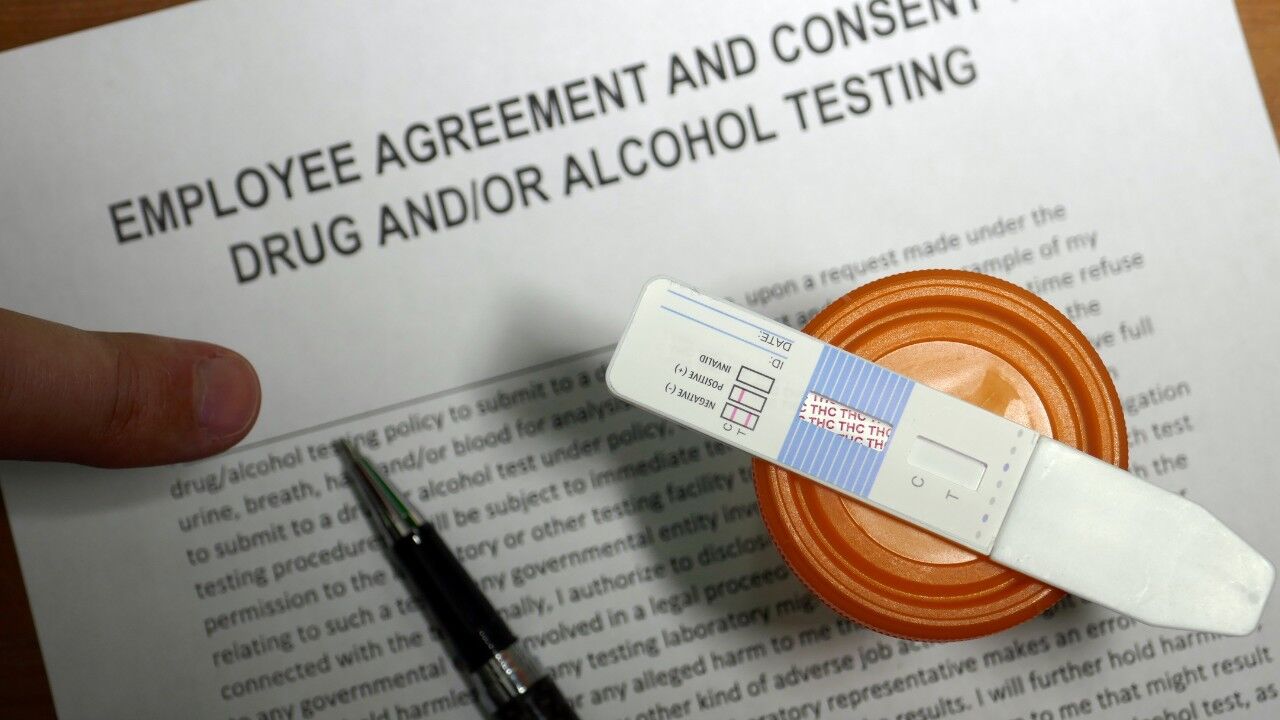
Drug testing remains a foundational component of workplace safety, risk management, and compliant hiring practices. But as regulations evolve and workforce expectations shift, employers are increasingly focused on choosing workplace drug testing programs that are intentional, defensible, and aligned with real job risk, not simply default options.
An employee drug testing option that continues to be widely used across industries is the 4 panel drug test. This test provides a focused approach to screening for high-risk substances while excluding marijuana, making it a practical choice for many employers navigating today’s regulatory and labor landscape.
This guide explains what a 4-panel drug test includes, how employers commonly use it, and when it may or may not be the right fit for your organization.
What Is a Drug Test Panel?
A drug testing panel refers to the number and type of substances included in a drug screen. Each “panel” represents one drug or drug class that the test is designed to detect.
For example:
- A 4-panel drug test screens for four substances
- A 5-panel drug test screens for five substances
- Expanded panels (7, 9, or 10 panel tests) include additional drugs, often prescription medications
Employers typically use drug testing panels for:
- Pre-employment screening
- Random testing programs
- Post-incident testing
- Reasonable suspicion testing
- Return-to-duty evaluations
The purpose of selecting a panel is alignment, matching the scope of testing to job risk, company policy, and regulatory requirements, rather than testing for substances that may not be relevant to the role.
What’s Included in a 4 Panel Drug Test?
A standard 4 panel drug test screens for four substances that are widely recognized for their potential to impair job performance and increase workplace risk:
- Amphetamines
Includes amphetamine, methamphetamine, and related stimulant compounds. - Cocaine
Detects cocaine and cocaine metabolites. - Opiates
Screens for opium-derived drugs such as morphine, codeine, and heroin. - Phencyclidine (PCP)
A dissociative drug associated with severe impairment and elevated safety risk.
Collectively, these substances are commonly linked to impaired judgment, slower reaction times, reduced situational awareness, and an increased likelihood of workplace incidents, particularly in safety-sensitive or operational roles.
A defining characteristic of the four panel drug test is that it does not include THC (marijuana). As discussed throughout this guide, this distinction allows employers to focus testing on substances with clearer job-related impairment risk while aligning their programs with company policy and workforce strategy.
How Long Does a 4 Panel Drug Test Detect Drugs?
One of the most common employer questions is how long a 4 panel drug test can detect drug use. While detection windows vary based on frequency of use, dosage, metabolism, and testing method, typical ranges include:
| Substance | Approximate Detection Window* |
| Amphetamines | 1–3 days |
| Cocaine | 1–3 days |
| Opiates | 1–3 days |
| PCP | Up to 7 days |
*Detection times are estimates and may vary based on individual and testing factors.
Understanding detection windows helps employers set appropriate expectations for pre-employment, post-incident, and reasonable suspicion testing, without assuming that test results indicate real-time impairment.
What Are Common Reasons an Employer Would Request a 4 Panel Drug Test?
As outlined above, employers often choose a 4 panel drug test to support a focused, risk-based approach to drug screening.
Rather than expanding testing unnecessarily, organizations commonly use the 4 panel to:
- Prioritize substances with clearer safety and impairment implications
- Align testing requirements with actual job risk
- Support consistent hiring practices while maintaining strong safety standards
In short, the four panel drug test is frequently selected when employers want testing that is targeted, practical, and defensible, rather than overly broad.
What Testing Methods Are Used for a 4 Panel Drug Test?
A 4 panel drug test can be administered using different testing methods, each with advantages depending on the work environment and testing scenario.
Urine Testing
- Most commonly used testing method
- Established detection windows
- Suitable for most pre-employment and random testing programs
Oral Fluid (Saliva) Testing
- Detects more recent drug use
- Easier to administer in onsite or field settings
- Reduced risk of tampering
Hair Testing
- Longer detection window
- Less commonly used for 4-panel testing
- Typically reserved for expanded or specialized screening programs
Choosing the right method depends on operational needs, workforce logistics, and the purpose of testing, not just the panel itself.
When a 4 Panel Drug Test May Not Be the Right Choice
While a 4 panel drug test works well for many employers, it is not appropriate in every situation.
Employers may need a different testing approach when:
- Regulatory standards require specific testing, such as DOT-regulated roles
- Highly safety-sensitive positions warrant broader screening
- Company policy mandates THC testing for certain job categories
Selecting a drug testing panel should always be intentional. The goal is not to default to a panel, but to choose the option that best supports safety, compliance, and operational reality.
Can Employers Change What Is Being Tested For?
Yes. Employers can customize drug testing panels, provided the program is clearly documented, consistently applied, and legally defensible.
Customization allows employers to:
- Adjust panels by job classification
- Address regional or state-level considerations
- Add or remove substances as workforce risks evolve
- Use different panels for different testing scenarios
The most effective drug testing programs are built around actual job exposure and function, not assumptions.
Are There Drug Tests That Don’t Test for THC?
Yes. As mentioned earlier, the four panel drug test is one of the most commonly used drug testing options that does not include THC.
Beyond standard 4 panel testing, employers may also use:
- Customized panels that exclude marijuana
- Role-specific testing requirements
- Different panels for pre-employment, post-incident, or reasonable suspicion testing
The key takeaway is that excluding THC allows employers to focus drug testing on job-related impairment risk.
Common Misconceptions About 4 Panel Drug Tests
Despite being widely used, the 4 panel drug test is often misunderstood. Clearing up these misconceptions helps employers make more confident, defensible decisions.
“A 4 panel drug test is less strict.”
This is not true. The difference is focus, not rigor. A four panel drug test targets substances with significant safety and impairment implications.
“Excluding THC lowers safety standards.”
Excluding THC does not mean ignoring workplace safety. Many employers use the 4 panel to better align testing with job-related risk rather than off-duty behavior.
“Drug testing panels can’t be customized.”
Employers can tailor panels to match job roles, work environments, and risk exposure, provided policies are clearly defined and consistently applied.
“All employees must be tested using the same panel.”
Many organizations use different panels for different roles or testing events based on risk and regulatory requirements.
“Once set, drug testing panels shouldn’t change.”
Effective drug testing programs evolve alongside workforce needs, regulations, and emerging substance trends.
Where Drug Testing Fits Into a Broader Workforce Health Strategy
Drug testing is most effective when integrated into a broader workforce health and risk management approach, including:
- Pre-employment screening
- Ongoing compliance testing
- Post-incident and return-to-duty protocols
- Injury management and safety programs
- Centralized reporting and documentation
When drug testing is aligned with the full employee lifecycle, it becomes a proactive tool, not just a checkbox.
How Examinetics Supports Employer Drug Testing Programs
At Examinetics, drug testing is part of a comprehensive approach to occupational health and safety.
We help employers:
- Design customized drug testing panels, including 4 panel drug tests
- Align testing programs with job roles, risk exposure, and compliance needs
- Deliver testing through onsite, near-site clinic, or on-demand solutions
- Maintain consistent protocols across locations
- Centralize results and documentation for easier program management
Our role is to help employers implement drug testing programs that are clear, defensible, and aligned with how work actually happens.
Final Takeaway
The 4-panel drug test offers employers a focused, practical approach to drug screening. One that prioritizes workplace safety while adapting to today’s regulatory and workforce realities.
By understanding what it includes, how it’s used, and when it may not be the right fit, employers can make informed decisions that support both safety and operational efficiency.
If you’re evaluating or refining your drug testing program, Examinetics is ready to help every step of the way.